What your building is worth, shown
An independent number, the math behind it, and what to do next.
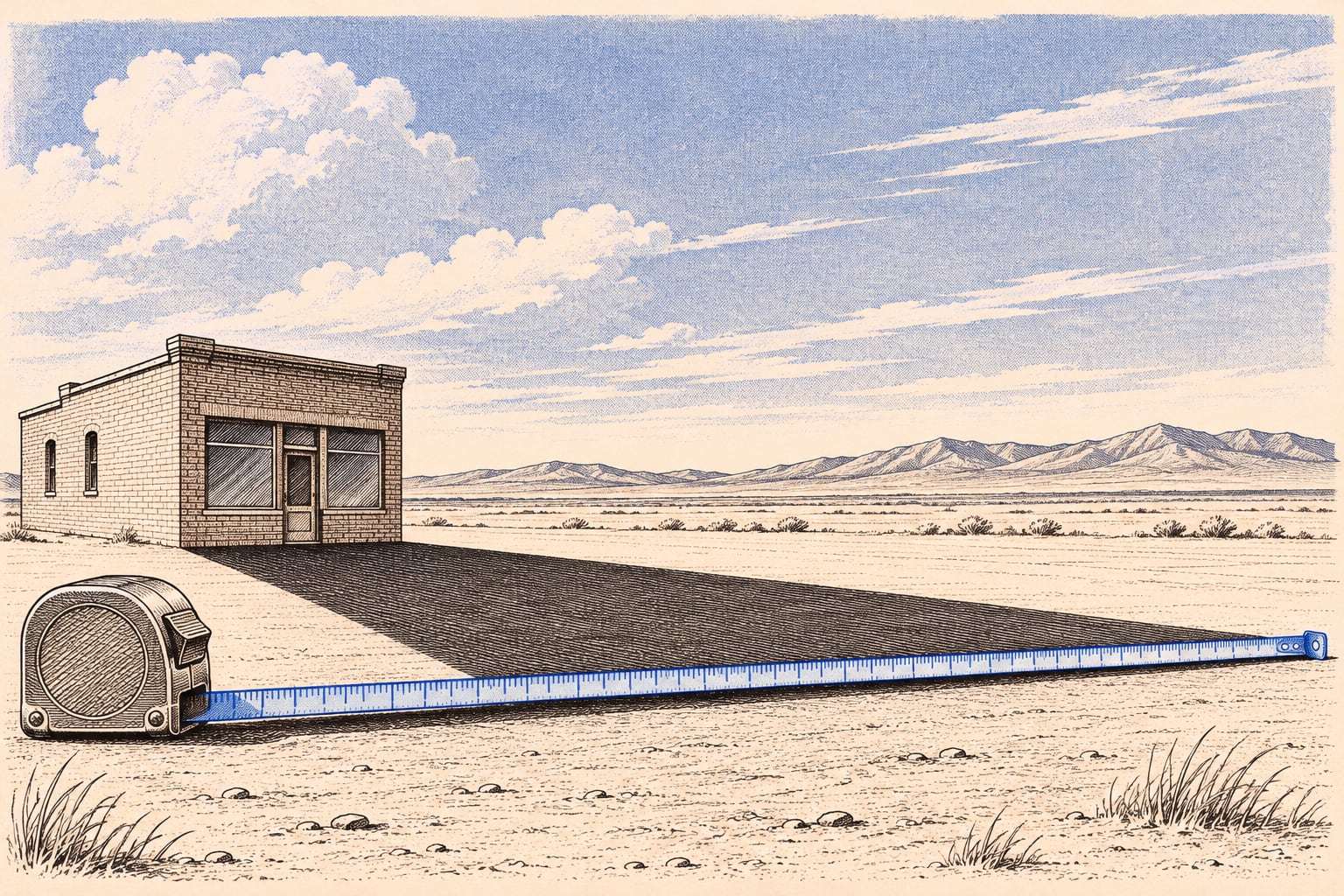
A broker’s free number is a pitch for the listing. A lender’s appraisal answers the bank’s question. Owners deciding to renew, appeal, refinance or sell need their own number, priced independently and explained line by line.
The number usually comes too late
Most owners first see a value when someone else needs one: a lender, a buyer, the county assessor. By then the number frames the deal. A value on file before the decision lets you argue from your own evidence.
What you walk away with
A defended number
A value range and a point estimate, each assumption tied to a lease, a sale or a cost.
The math in plain view
Net operating income, cap rate and comparables on one page you can check with a pencil.
A sensitivity table
How the value moves if vacancy, rent or the cap rate shifts by a realistic step.
A written recommendation
Hold, sell, refinance, appeal or renegotiate, with the reasons and the risks written down.
Four ways to price a property
Valuation snapshot
Comparables, an income check and a one-page memo for a quick, grounded answer.
Valuation advisory report
A full narrative consulting report using the approaches that fit, with a sensitivity table.
Acquisition review
The seller’s rent roll, leases and pro forma tested before your due diligence ends.
Property tax assessment review
The county’s value tested against the market, with an appeal packet ready inside 30 days.
What every valuation includes
Document read
Leases, rent roll, trailing twelve months and the tax notice, each tied to the number.
Comparable evidence
Sales and rents from the same market, adjusted for size, age, condition and location.
Income approach
Stabilized net operating income and a cap rate argued from the evidence, not assumed.
Second reader
A second person checks the math and the logic before the memo leaves the office.
Walk-through call
A 30-minute call to go over the number, the assumptions and the next step.
Example: a flex building before a refinance
An owner of a 22,000 square foot flex building on Cheyenne’s south side has a loan maturing in nine months and two tenants on short renewals. A valuation snapshot shows the value range at current rents and at market rents. The memo recommends renewing both tenants before approaching lenders, because two signed five-year terms widen the refinance options more than any rate shopping would.
- Turnaround
- 5 business days
- From
- $950
Indicative price
Indicative, from$950
Per property, fixed fee, indicative. Every proposal is fixed-fee and itemized.
Valuation questions, answered
Is this an appraisal?
No. Clover State gives independent opinions of value and consulting reports, not appraisals. Most bank loans above the federal threshold, many court matters and some estate filings require a licensed appraisal. We tell you on the scoping call whether yours does, and we can scope the question and coordinate a licensed appraiser.
When is a snapshot enough?
A snapshot is enough when the decision is yours alone: whether to renew, list, refinance or contest an assessment. If a lender, a court or a buyer will rely on the number, the full advisory report or a licensed appraisal is the safer choice, and we will say which.
What documents do you need?
Current leases and amendments, the rent roll, a trailing twelve months of income and expenses, the latest tax notice and any loan terms. The document checklist in our resources lists each item and where owners usually find it. Missing pieces are listed in the memo, not guessed.
How do you choose a cap rate?
From the evidence: recent sales of similar buildings in the same market, adjusted for tenant quality, lease length and condition. The memo shows the comparables and the adjustments, so you can see why the rate is 8.0% and not 7.5%. A sensitivity table shows what each half point would do.
Do you visit the property?
The advisory report includes a site visit. A snapshot is a desktop review, using photos and documents you send. Visits in Laramie County are included in the fee. Elsewhere in Wyoming and northern Colorado, travel is billed at cost and quoted before you sign.
Price your property this month
Tell us about the property and we will say plainly whether property valuation is the right place to start.